
Tag: Poetry
-
4003: The Weight of Iron
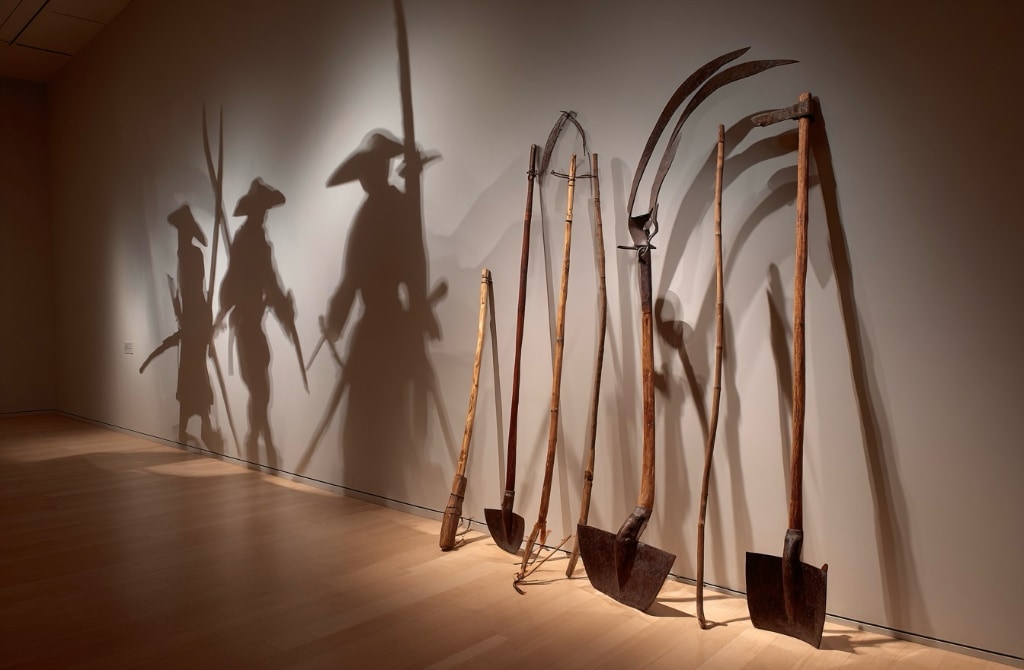
The Weight of Iron They hang now in museum lights,mute ribs of a vanished beast:plough and pitchfork,sickle with its patient crescent moutha wooden beam bowed like a tired shoulder. But once—they were thunder. A man rose before the sunwhen winter still stitched fields in silver thread.His breath smoked like a small engine of faith.He wrapped…
-
0203: The Looms Liturgy
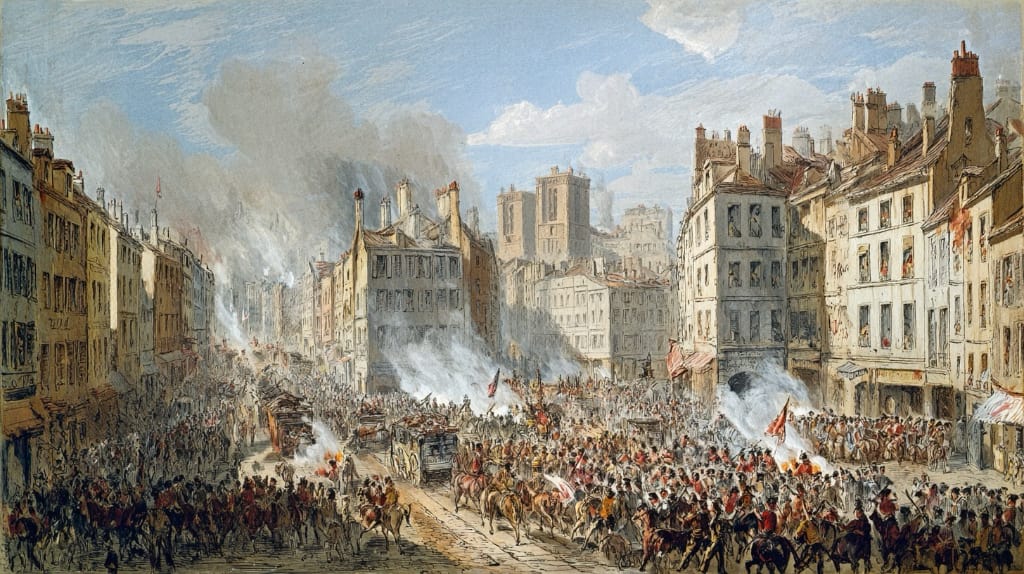
Liturgy for the Looms That Never Stop(Lyon, 1834, where silk costs more than children) I. The Sound That Never EndsIt begins before dawn and continues after.The clack clack clack of wooden shuttlesthrowing thread, catching thread,weaving fabric that will never warmthe hands that made it. All day. All night. Every day.The looms do not rest.They cannot…
-
Vivaldi’s Winter — L’Inverno (1st Movement) #8
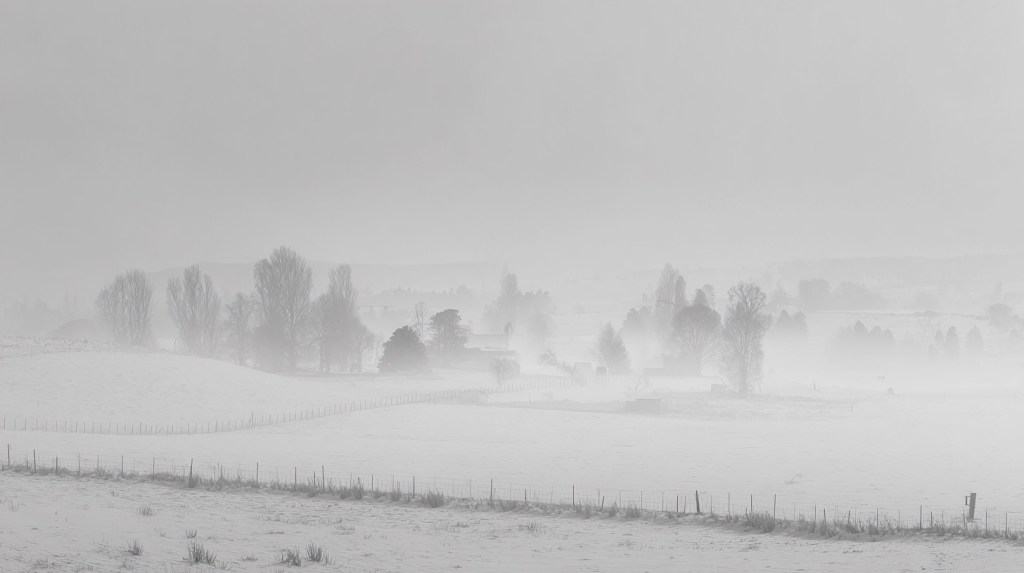
8 Vivaldi’s Winter — L’Inverno (1st Movement) Prologue for the Deaf Listener: This project (multi-part) is written with the deaf reader in mind. It translates orchestral movement into embodied language. These words are the sound of cold becoming a lash. Bring on the wind with teeth of glass, biting bare branches into prayers of splinter.…
-
The Old Woman With No Cat
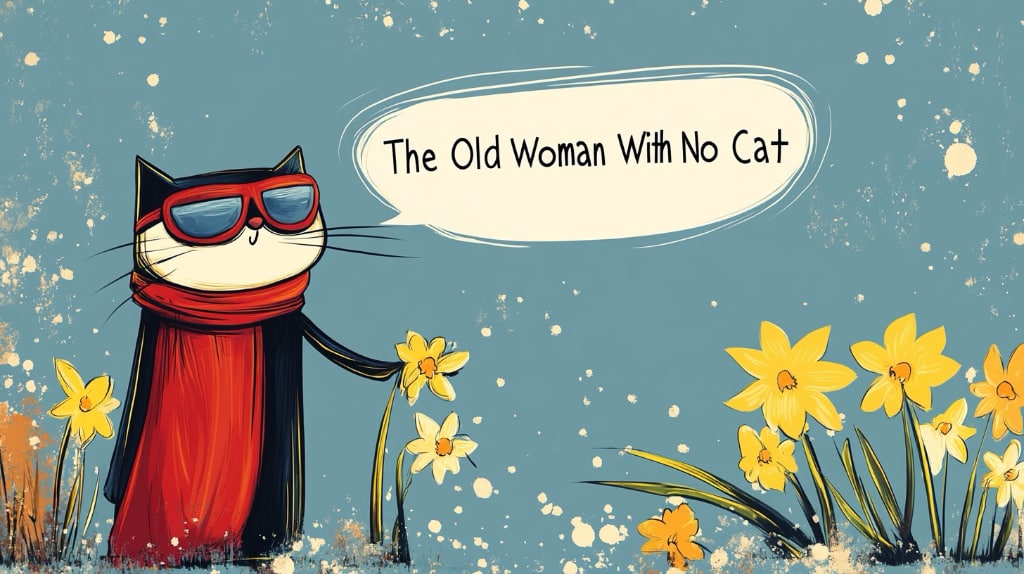
The Cat Questions the Daffodil (A Floral Inquiry) The cat sits in the morning sun,one paw delicately touching a yellow petalas if it might bite back. “Daffodils,” he enunciates,slowly,testing the word like a suspicious piece of chicken, “Who decided?Who looked at this…yellow trumpet on a twig and thought,‘Yes. Daffodil. Good name.’ Certainly not a cat.A…
-
Vivaldi’s Winter — L’Inverno (1st Movement) #7
7 Vivaldi’s Winter — L’Inverno (1st Movement) Prologue for the Deaf Listener: This project (multi-part) is written with the deaf reader in mind. It translates orchestral movement into embodied language. These words are the sound of cold becoming a lash. Bring on the wind with teeth of glass, biting bare branches into prayers of splinter.…
-
Vivaldi’s Winter — L’Inverno (1st Movement) #6
6 Vivaldi’s Winter — L’Inverno (1st Movement) Prologue for the Deaf Listener: This project (multi-part) is written with the deaf reader in mind. It translates orchestral movement into embodied language. These words are the sound of cold becoming a lash. Bring on the wind with teeth of glass, biting bare branches into prayers of splinter.…
-
2602: MicroDosing 100 µg

In the forest’s throatthe oldest voice is root-deep.Slow.Patiently churning. It speaks in a languageof decayand renewal.Unhurriedand whispering —what we never thought to hear. Its green voice, thinand light, softlysusurrusleaf against leaf,tiny tonguesdebatingthe wind’s direction. It quickens —a shrew’s panicked prayer,a beetle’s silent counting,an owl’s velveteen questionsthat need no answer. And holding it all,a voice that…
-
Vivaldi’s Winter — L’Inverno (1st Movement) #5
5 Vivaldi’s Winter — L’Inverno (1st Movement) Prologue for the Deaf Listener: This project (multi-part) is written with the deaf reader in mind. It translates orchestral movement into embodied language. These words are the sound of cold becoming a lash. Bring on the wind with teeth of glass, biting bare branches into prayers of splinter.…
-
2502: MicroDosing 70µg
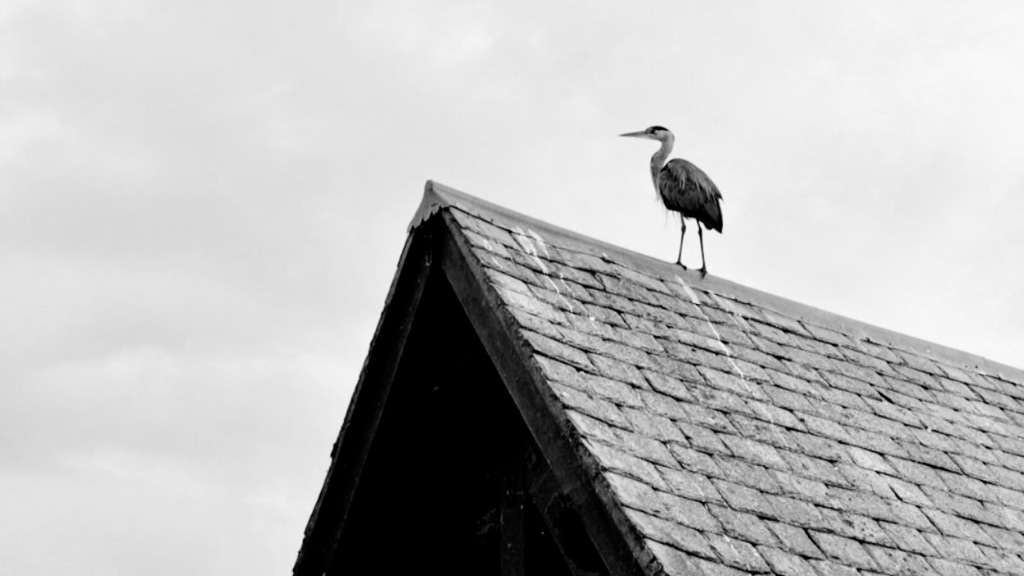
One Heron It came from the river’s grey throat,one syllable of stillnesswritten against moving sky. On the neighbour’s ridge,it folds its long prayersinto the shape of patience.Legs like reeds.Neck like questions.Waiting for the world to offer somethingworthy of its hunger. But know:the soul does not arrive.It alights.And stays only as long asthe heart can bear…
-
2502: dVerse Hunger

Hunger for the Quiet of Stars Not for bread. Not for knowing.This hunger has no mouth. It pulls toward the hourwhen clocks forget purpose,when the sky’s deep bruiseoffers its cold, patient pulse. To fold inward like a held breath.To be,the star no one names. Written for DVerse Poets Quadrille “hunger” Image from Nasa: Cat Eye Nebula.…
 It's Still Life