
Part 12.1, Brigid’s Diary: Arles, France, Spring 1836
The Yellow House and the Thin Law
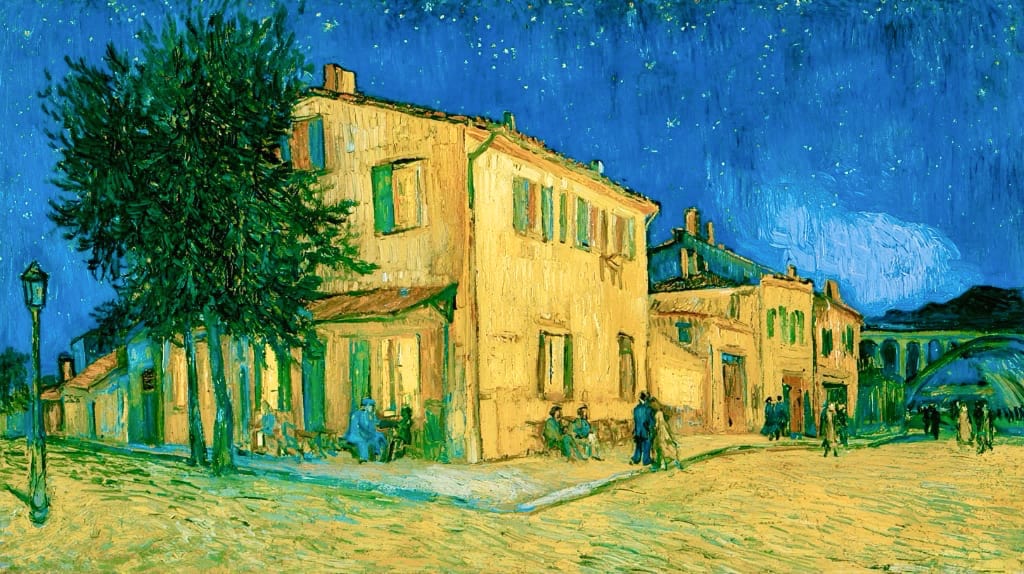
We took rooms at 2 Place Lamartine in a yellow house that looked like warmth from a distance, and up close smelled of damp plaster, fried onions, and bodies worked too hard for too little.
Around us, the neighbourhood spoke in Italian and Provençal, and the careful French of people who had learned that vowels could be used against them — hunger makes accents loud, even when you whisper.
Soon they came to our door for cures and stitches when the doctor refused them, saying ‘We only care for our own’ — and I watched shame turn practical, the way it always does when children are coughing and coins are few.
Felreil found work at the dock and came home with rope-burned hands and a new knowledge: the police are local, and peace is maintained the way a lid holds a pot — by pressing hardest where the steam is weakest.
That evening he laid a thin copied pamphlet on the table like contraband and said the question inside it was touchpaper — Qu’est-ce que la propriété? What is Property* by Pierre-Joseph Proudhon — and that France would answer it soon enough, not with ink but with marching feet.
We sat out in the Provençal air until the sky filled with stars sharp as nails, and I said, “A starry, starry night,” because beauty is sometimes the last thing left that belongs to us — and if this diary is found, know that we made a home here for a little while.
Previous Instalments – To access all of the instalments on one page, please use this link. Written for Denise’s Six Sentence Story, including the prompt word ‘table’. Images created with Midjourney; all writing is my own original work.©Misky 2006-2026.
*Pierre-Joseph Proudhon’s premise was that a landlord doesn’t make the land more valuable by owning it; workers and the surrounding community do, and therefore the profit that the landlord extracts is theft. In the eyes of the government, this was anarchy.


Your comments are always welcome