
Category: Soundtracks
-
Vivaldi’s Winter — L’Inverno (1st Movement) #8
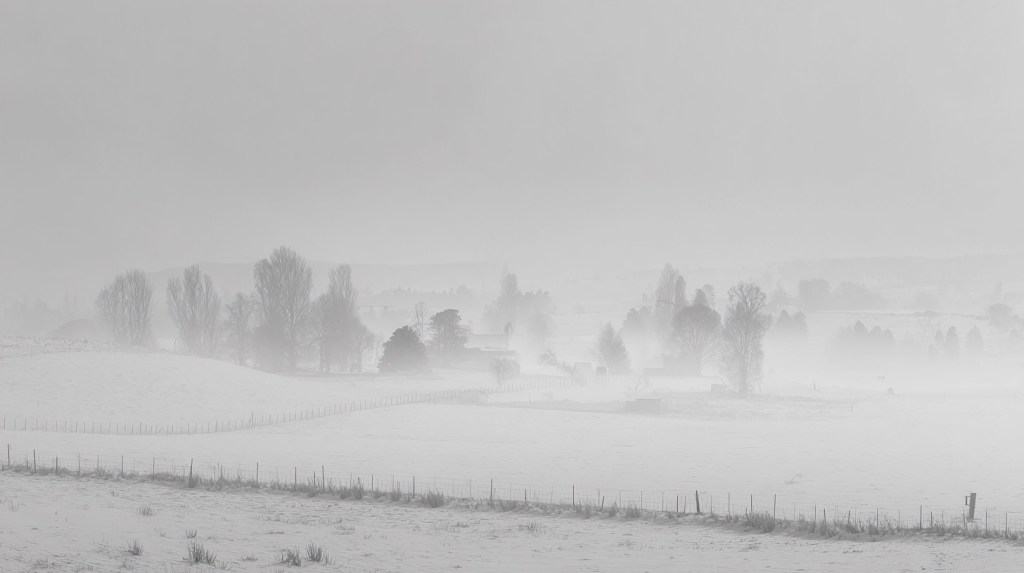
8 Vivaldi’s Winter — L’Inverno (1st Movement) Prologue for the Deaf Listener: This project (multi-part) is written with the deaf reader in mind. It translates orchestral movement into embodied language. These words are the sound of cold becoming a lash. Bring on the wind with teeth of glass, biting bare branches into prayers of splinter.…
-
Vivaldi’s Winter — L’Inverno (1st Movement) #7
7 Vivaldi’s Winter — L’Inverno (1st Movement) Prologue for the Deaf Listener: This project (multi-part) is written with the deaf reader in mind. It translates orchestral movement into embodied language. These words are the sound of cold becoming a lash. Bring on the wind with teeth of glass, biting bare branches into prayers of splinter.…
-
Vivaldi’s Winter — L’Inverno (1st Movement) #6
6 Vivaldi’s Winter — L’Inverno (1st Movement) Prologue for the Deaf Listener: This project (multi-part) is written with the deaf reader in mind. It translates orchestral movement into embodied language. These words are the sound of cold becoming a lash. Bring on the wind with teeth of glass, biting bare branches into prayers of splinter.…
-
Vivaldi’s Winter — L’Inverno (1st Movement) #5
5 Vivaldi’s Winter — L’Inverno (1st Movement) Prologue for the Deaf Listener: This project (multi-part) is written with the deaf reader in mind. It translates orchestral movement into embodied language. These words are the sound of cold becoming a lash. Bring on the wind with teeth of glass, biting bare branches into prayers of splinter.…
-
Vivaldi’s Winter — L’Inverno (1st Movement) #4
4 Vivaldi’s Winter — L’Inverno (1st Movement) Prologue for the Deaf Listener: This project (multi-part) is written with the deaf reader in mind. It translates orchestral movement into embodied language. These words are the sound of cold becoming a lash. Bring on the wind with teeth of glass, biting bare branches into prayers of splinter.…
-
Vivaldi’s Winter — L’Inverno (1st Movement) #3
3 Vivaldi’s Winter — L’Inverno (1st Movement) Prologue for the Deaf Listener: This project (multi-part) is written with the deaf reader in mind. It translates orchestral movement into embodied language. These words are the sound of cold becoming a lash. Bring on the wind with teeth of glass, biting bare branches into prayers of splinter.…
-
Vivaldi’s Winter — L’Inverno (1st Movement) #2
2 Vivaldi’s Winter — L’Inverno (1st Movement) Prologue for the Deaf Listener: This project (multi-part) is written with the deaf reader in mind. It translates orchestral movement into embodied language. These words are the sound of cold becoming a lash. Bring on the wind with teeth of glass, biting bare branches into prayers of splinter.…
-
Vivaldi’s Winter — L’Inverno (1st Movement) #1
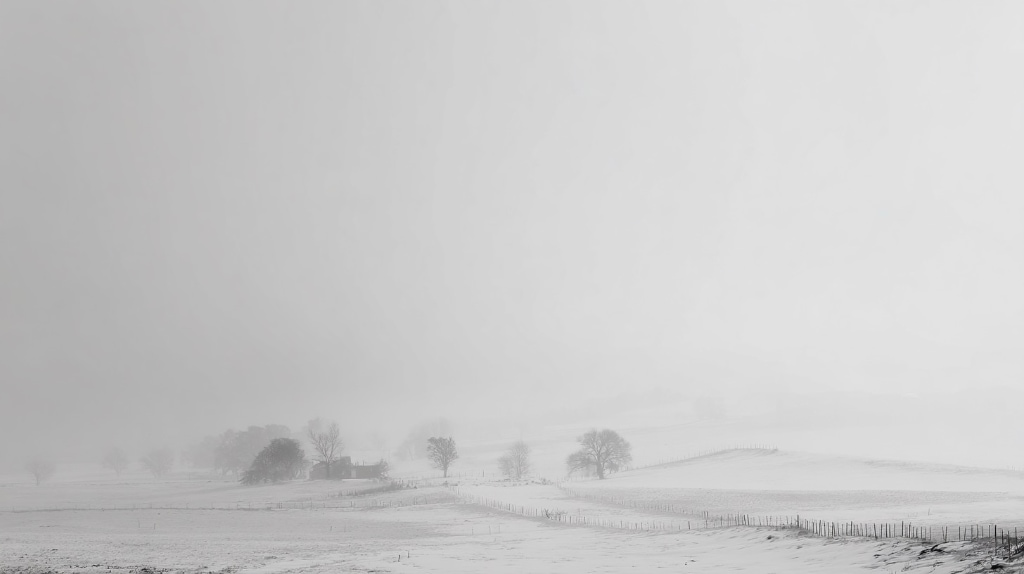
1 Vivaldi’s Winter — L’Inverno (1st Movement) Prologue for the Deaf Listener: This project (multi-part) is written with the deaf reader in mind. It translates orchestral movement into embodied language. These words are the sound of cold becoming a lash. Bring on the wind with teeth of glass, biting bare branches into prayers of splinter.…
-
5 Feb: A Thursday Door
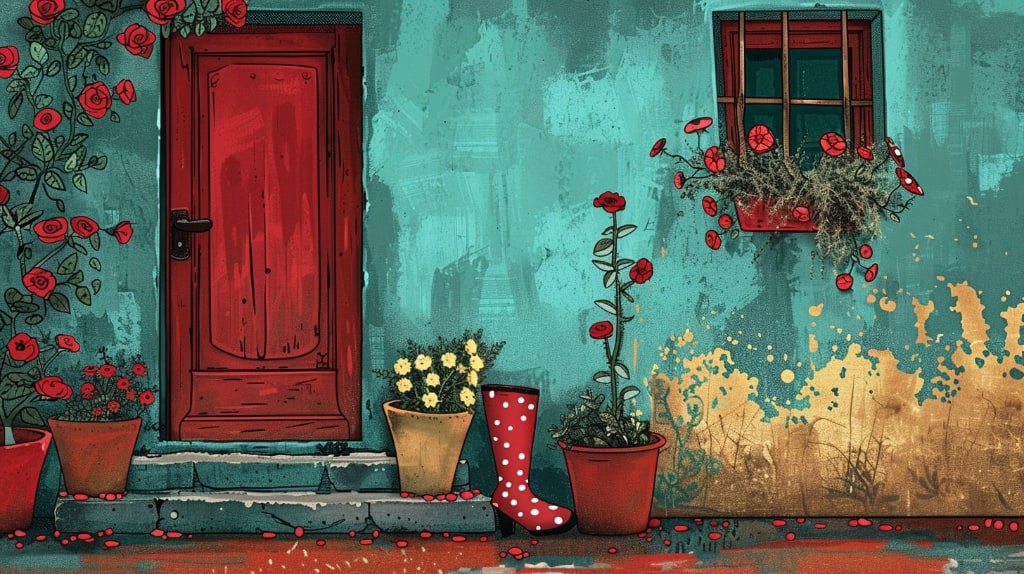
Bushboy (Brian Dodd) shares photos of doors, but not just any doors. Spectacular doors from his journeys. Dan’s Thursday Doors opened the door on this. I love doors of all sorts. I’ve trawled through my photos and found a few to share. ©Misky 2022-2026 Shared on X #amwriting @bushboywhotweet and @DAntion
-
Csárdás Part 4
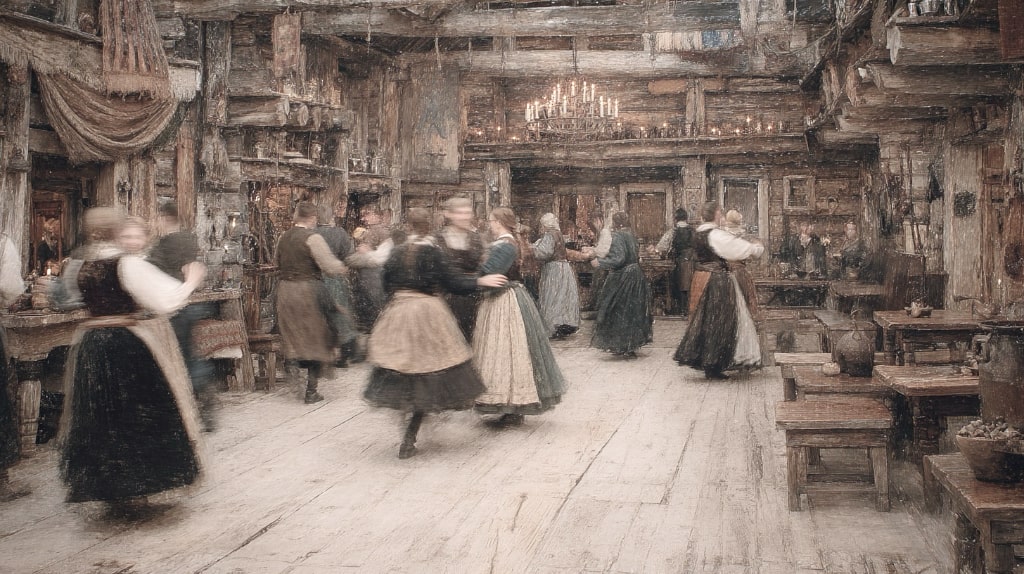
Csárdás — (the heart’s Final fire) First,the bow drags slow.A raw, dusk-coloured moanrising from the fiddle’s belly,pulled from soil olderthan any spoken name. A field at sundown stirs there:the sag of an empty chair,steam rising from a bowl gone cold,a love that lingerslike breath on winter glass. Then, the spark catches. The heart remembers fire.The…
 It's Still Life