
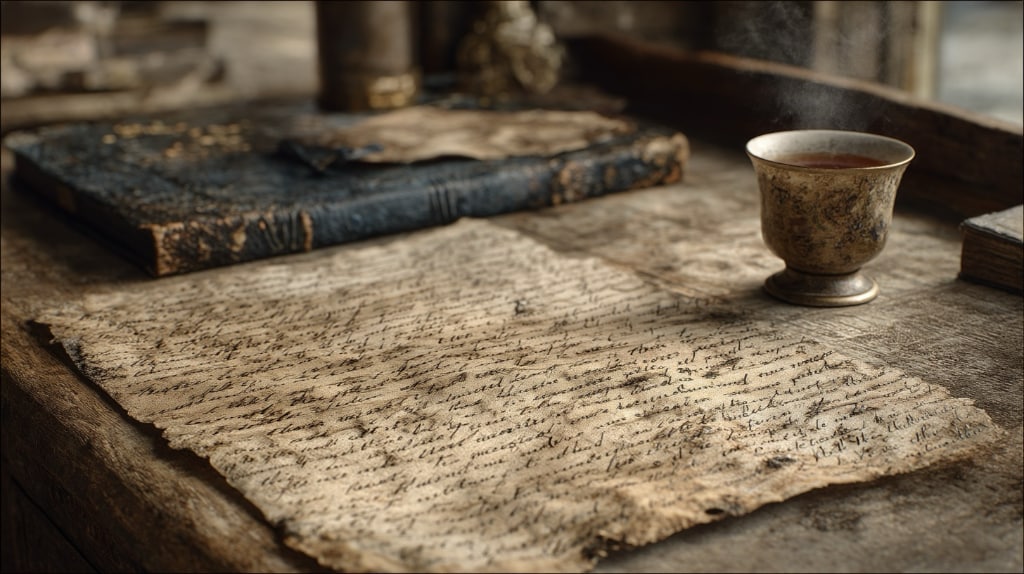
The Architecture of a Moment
Notes: Rooted in the oldest English tradition, Anglo-Saxon accentual verse follows the rhythm of breath and heartbeat rather than syllable or rhyme, where meaning is carried by cadence, image, and pause.
The Architecture of Doubt (long form)
What creature,
with frantic hands
and a roaring heart,
inhabits this page
who nests
in crumpled thoughts?
It builds no webs,
yet spins its words
from memory,
from silence,
from the abstract.
It hunts with no tooth or claw,
but with a question,
a doubt,
a sharp, barbed hook.
I am soft-bodied,
easily wounded
by a blank page’s stare.
I am both predator
and prey at once,
spilling a memory,
then freezing
at the shadow
of my own doubt.
My laugh slips
into a sigh.
My fingerprint
becomes an inkblot.
But in my defence, my mark:
I was here.
I was alive.
The Architecture of Doubt (Anglo-Saxon Accentual Verse)
What small beast
beats in the dark,
hands frantic,
heartstorm rising?
It nests in scrapped
and crumpled thoughts;
spins no webs
yet weaves from silence.
No tooth, no claw,
questions its weapons;
a hooked doubt
hidden in shadows.
Soft-bodied, I
bruise at the page,
prey to the blank,
predator too.
Memory spills,
then stillness grips,
doubt’s cold paw
pressed to my throat.
A laugh thins out,
slipping to sigh;
ink fingerprints
smudge my truth.
Yet here’s my mark,
stubborn and bright:
I stood my ground.
I lived. I wrote.
Written for Writers’ Digest Poem-a-Day Challenge: a living creature. Poems/prose, some AI/images ©Misky 2006-2025.


Your comments are always welcome