
In no particular order:
1) I’m thankful for the brilliant spring display from the tulips and daffodils this spring. The break in their colour is caused by a virus, which made them highly prized during the 17th, causing Dutch tulip mania. The virus is spread by aphids, and settles in the bulb.

2) The grapevines are finally setting leaves. They’re late this year—we had a cold winter. Grape leaves symbolise abundance and prosperity, and personal transformation and growth. The leaves are often incorporated into incense blends for prosperity, joy, and added to intentions for strengthening relationships. Its highly astringent qualities are still used by pharmaceuticals.

3) Homemade sourdough bread, and that lovely scent that fills the house. My sourdough starter is almost 30-years old, and can rise a kilo of rye flour. I am thankful for its strength and endurance when I forget to feed it.

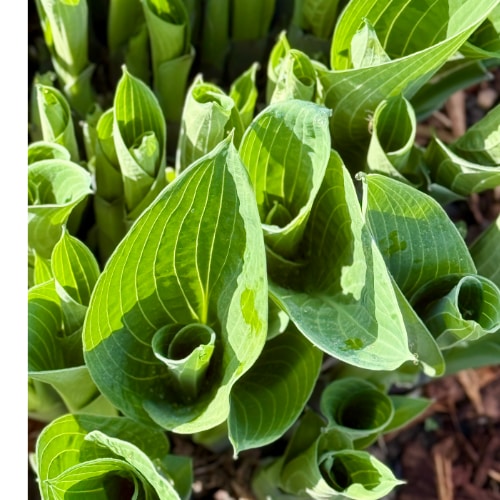
4) That the hostas survived my dividing them into several new plants, although I see the slugs and snails are already feasting on them. I leave the birds to pick off the slugs—no chemical poisons are allowed in my garden.

5) Fiddlehead ferns. They have a very long history for use as protection: hanging dried ferns in the home to ward off evil spirits, witches, and even lightning strikes. In Slavic countries, women wove ferns in their hair to keep water spirits away when they swam. In Brittany and Normandy, shepherds still make crosses from ferns for protection and carry it with them.

6) Vinca minor (the lesser forget-my-not) in bloom always means spring.
Traditionally used in binding; you often see it in wedding bouquets, and in lockets and charms for love. It’s also a barrier against negativity. Medieval English churches grew it around the perimeter of the churchyard and graveyards to deter evil. It’s also a powerful astringent; Roman solders used it to clean and dress wounds.

7) Apple trees heavy with blossoms and buzzing with bees. There will be lots of apples this year.

8) Hostas. The essential oil extracted from hosta leaves is used in perfumes, and very common in Chinese medicine. The leaves are toxic to cat and dogs however … but not, unfortunately, to slugs and snails who arrive in caravans to munch their way through the young tender leaves (once the leaves are mature, slugs don’t bother). The birds are feasting on slugs right now.
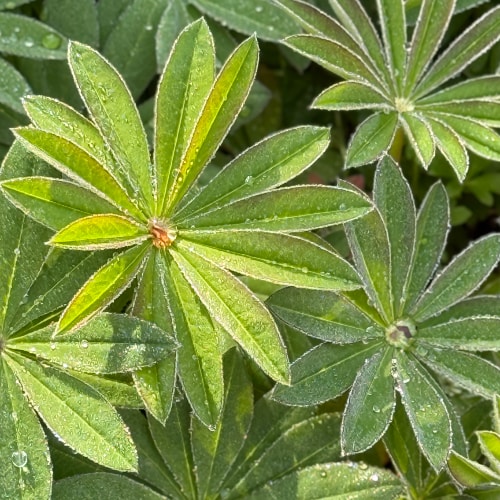
9) Lupins after a bit of overnight rain.
The North American Comanche tribe have a legend about a girl who sacrificed her doll to bring rain, and in its place, grew lupines that fed the starving tribe. People who grow lupins in their garden claim there’s a connection/feeling with the earth and the energies associated with the plant.
10 …. to wake up smiling.
Welcome to TToT (Ten Things of Thankful) blog hop! Join bloggers from all over the world as we come together to share those things that we are thankful for. Ten is in the name, but no one is counting; feel free to link up no matter how many (or few) you can list. Make sure to go read and comment on the posts, too. The TToT has always been big on making this a friendly community, and getting to know each other through posts and comments is a huge part of that. We’re thankful for you!
Imagery and poems/prose ©Misky 2006-2025.


 It's Still Life
Your comments are always welcome